
Virginia crawl space specialists
Crawl Space Repair & Encapsulation in Virginia
Moisture control, encapsulation, drainage, insulation and structural crawl space solutions for Virginia homeowners.
Statewide service across Virginia
Written pricing after an on-site look
Moisture, drainage and structural work
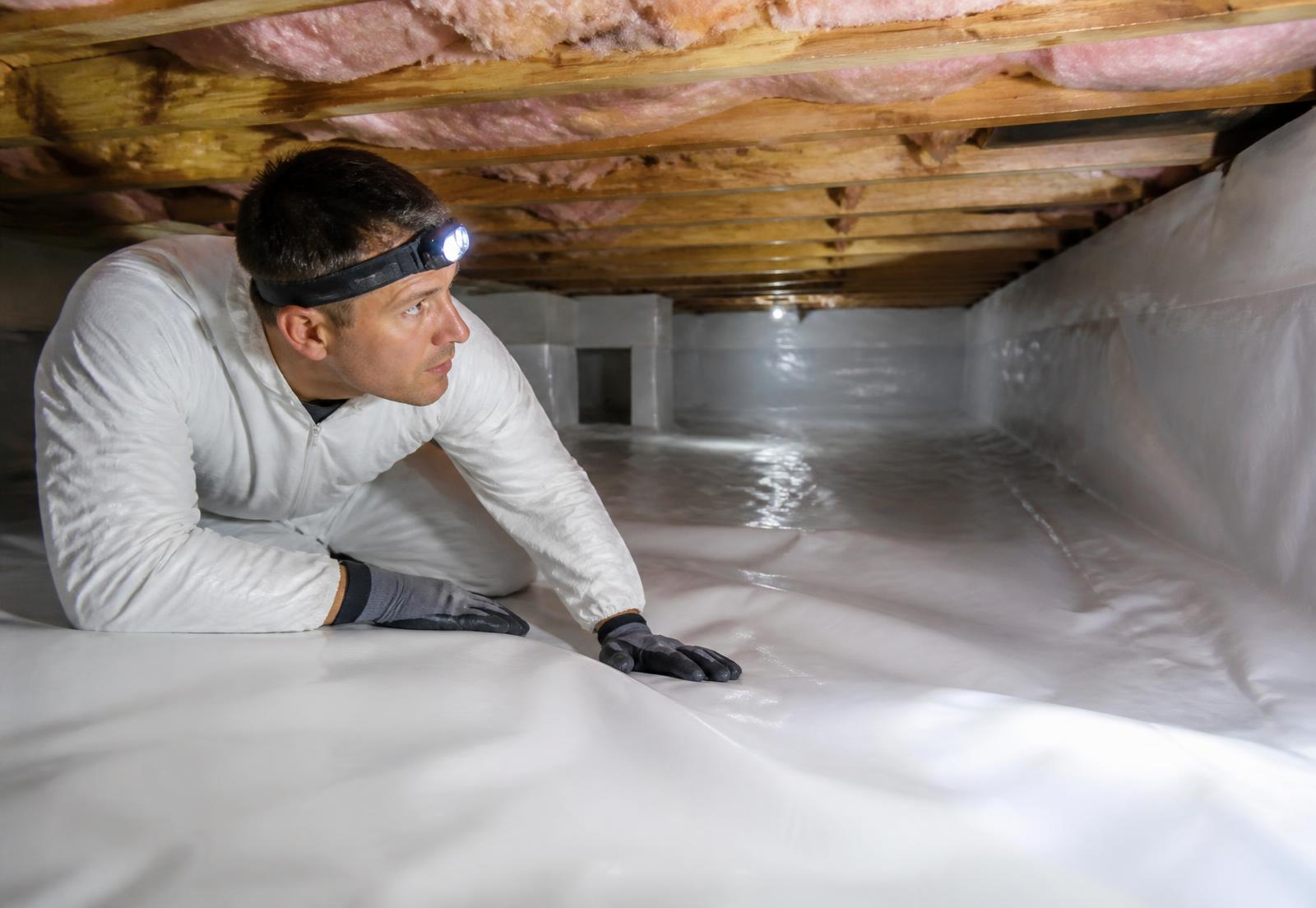
Signs of a crawl space problem
What homeowners notice first
Most crawl space issues announce themselves upstairs before anyone looks underneath.
- Standing WaterWater sitting on the soil after rain — or all year.
- High HumidityDamp air under the floor through the summer months.
- Mold & MoistureSurface growth and discoloration on joists and subfloor.
- Sagging FloorsDips, bounce and soft spots in the floor above.
- Wood DamageDeteriorated joists, beams and support posts.
- Falling InsulationBatts hanging out of the joists or lying on the ground.
- Musty OdorsCrawl space air making its way into the house.
- Damaged Vapor BarrierTorn, thin or incomplete ground liner.
Core solutions
Crawl space services across Virginia
- 01Crawl Space RepairWhole-system repair for moisture, water, insulation and framing.
- 02EncapsulationSealed liner, humidity control and a stable space under the house.
- 03Waterproofing & DrainageCollect and discharge the water that reaches your crawl space.
- 04Sump PumpsMove standing water out where gravity drainage is not possible.
- 05DehumidifiersHold crawl space humidity in range through a Virginia summer.
- 06Crawl Space InsulationRemove failed batts and insulate the right surface for the design.
- 07Structural RepairJoists, girders, posts and bearing points affected by moisture.
- 08Sagging Floor RepairRestore support under floors that dip, bounce or feel soft.
- 09Crawl Space InspectionA documented look at conditions, at no cost.
Why it happens here
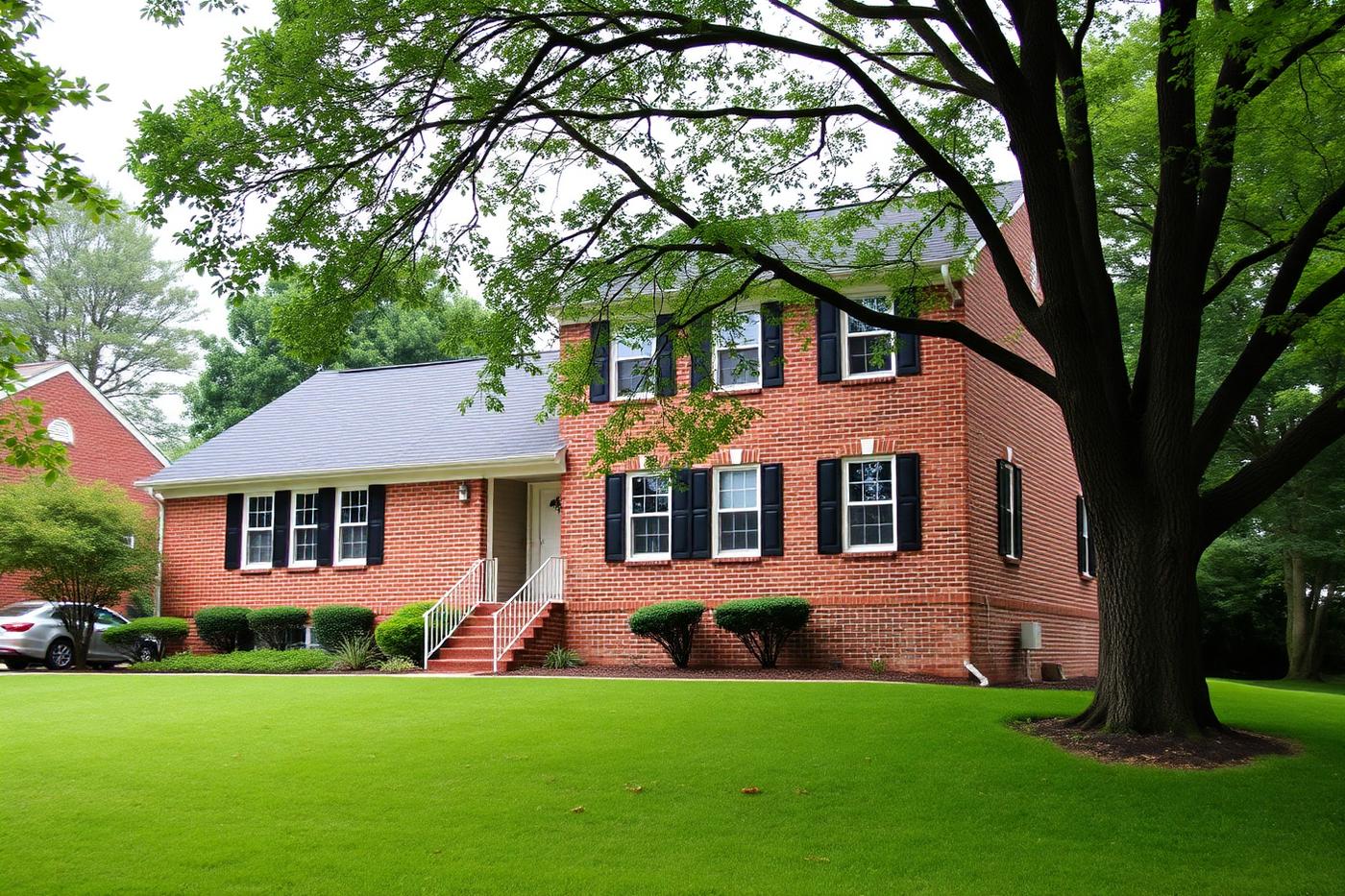
Why Virginia crawl spaces develop problems
Virginia summers are humid from the Chesapeake to the Blue Ridge. Warm, moist outdoor air moves into a cooler crawl space, condenses on ducts and framing, and keeps wood damp for months at a time. Add bare or poorly covered soil and the space never really dries out.
Water is the second half of the story. A shallow water table near the coast, clay soils inland and fast runoff off sloped lots all deliver water to crawl spaces that were never designed to handle it.
- Ground moisture evaporating from uncovered soil
- Humid outdoor air entering through crawl space vents
- Standing water from runoff or a high water table
- Insulation that absorbed moisture and stopped working
- Wood that stays damp long enough for decay to start
Regional differences
Virginia is not one crawl space market
A Virginia Beach crawl space fights groundwater. A Roanoke crawl space fights temperature swings. Charlottesville fights runoff off a slope. The right system is the one that matches the conditions where you live.
- Hampton RoadsHigh groundwater, flat terrain and coastal humidity. Drainage and pumping usually lead the scope here.
- RichmondHumid summers, clay soils and a wide mix of housing stock. Insulation and condensation issues lead here.
- Williamsburg–YorktownCoastal humidity, shaded lots and older low-clearance crawl spaces where detailing quality matters most.
- CharlottesvilleSloped lots, uphill runoff and older framing. Drainage and insulation corrections lead most projects here.
- RoanokeSeasonal temperature swings, hillside runoff and insulation-driven comfort problems.
Encapsulation
What a sealed crawl space actually is
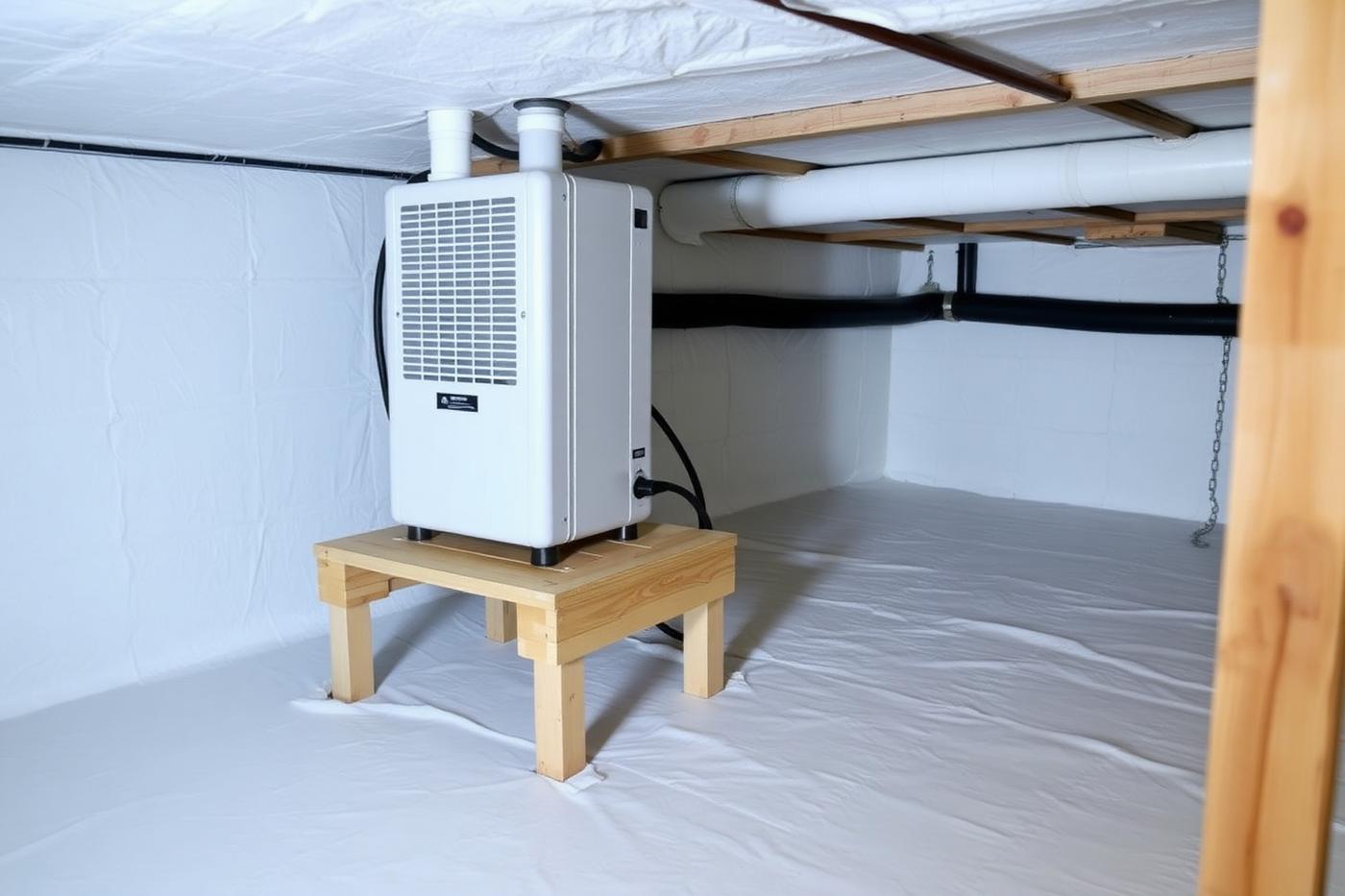
Encapsulation seals the crawl space so it behaves like part of the house rather than part of the yard: a heavy liner across the soil and up the walls, sealed seams, closed vents where the design allows, drainage where water arrives, and a dehumidifier to hold humidity steady.
A basic ground vapor barrier is a smaller scope — useful, but not the same system. Which one your home needs depends on how much water and humidity the crawl space actually sees.
Cost
Crawl space repair cost in Virginia
Many complete crawl space projects in Virginia fall roughly in the $5,000–$10,000 range. Larger systems involving drainage, structural repairs, significant water management or difficult access can exceed $10,000. An on-site inspection is required for accurate pricing.
Service areas
Where we work in Virginia
We serve homeowners across the Commonwealth, with focused coverage in Hampton Roads, the Richmond region, the Historic Triangle, the Charlottesville area and the Roanoke Valley. See all Virginia service areas.
How crawl space inspections work
An inspection reviews standing water, soil moisture, the existing vapor barrier, insulation condition, wood and framing, support posts, humidity readings and drainage. You get a description of what was found and written pricing for what the conditions call for — at no cost. What the inspection covers.
How it works
Three steps, no obligation
- 01
Tell Us What You Are Seeing
Submit the short form with your ZIP code and the problem you've noticed.
- 02
Inspect the Crawl Space
We review visible moisture, standing water, insulation, vapor barriers, wood and structural concerns.
- 03
Review Repair Options
You receive recommended next steps and estimated pricing based on actual site conditions.
Answers
Crawl space questions Virginia homeowners ask
How much does crawl space encapsulation cost in Virginia?
Many complete crawl space projects in Virginia fall roughly in the $5,000–$10,000 range, while larger systems involving drainage, structural repairs, significant water management or difficult access can exceed $10,000. Size, height, access and the amount of water present drive the number, so an on-site inspection is required for accurate pricing.
Is crawl space encapsulation worth it?
It depends on the crawl space. Where the ground stays damp, humidity runs high through the summer, or insulation keeps failing, sealing the space addresses the cause rather than the symptom. In a dry, well-drained crawl space a smaller scope such as a ground vapor barrier may be appropriate.
Why is there water under my house?
Usually surface runoff entering the crawl space, groundwater rising through the soil where the water table is high, or a plumbing leak. Which one applies changes the repair, so the source is identified before drainage or liner work is specified.
Does my crawl space need a dehumidifier?
A dehumidifier makes sense once the crawl space is sealed and liquid water is controlled, and humidity still runs high. It is sized to the volume of the space and needs a proper condensate drain. In a vented crawl space that still takes on water, drainage comes first.
Should crawl space insulation be removed before encapsulation?
Wet, compressed or fallen insulation is normally removed. It has lost most of its thermal value, holds moisture against the subfloor, and hides the wood condition underneath. In a sealed, conditioned crawl space the insulation strategy usually moves from the floor to the foundation walls.
What is the difference between a vapor barrier and encapsulation?
A vapor barrier is a ground liner that slows moisture evaporating out of the soil. Encapsulation is a complete system: heavier sealed liner, wall terminations, sealed vents and penetrations, drainage where needed, and mechanical humidity control. A barrier reduces one moisture source; encapsulation changes how the whole space behaves.
What causes sagging floors?
Common causes over a crawl space include moisture-damaged joists or beams, deteriorated support posts, undersized or under-supported girders, settled piers, and subfloor damage from a long-term leak. The correct repair depends on which applies, so the framing is evaluated in person.
Can crawl space moisture damage joists?
Sustained dampness keeps wood moisture content elevated, which creates the conditions for decay and for wood-destroying insects. Damage typically shows up first at joist ends bearing on foundation walls and at beam bearing points.
Do I need a sump pump?
A sump pump belongs where water is confirmed to reach the crawl space and gravity drainage to daylight is not available. In a dry crawl space it adds nothing. In much of Hampton Roads, where the water table sits high, drainage with a pump is often the baseline.
How long does encapsulation take?
Many residential crawl space projects are completed in a few working days. Debris and insulation removal, low clearance, difficult access, drainage installation and structural repairs all extend the schedule.
Should I inspect a crawl space before buying a house?
It is worth knowing the condition before the inspection contingency expires, since moisture, failing liners and damaged framing carry real cost after closing. A crawl space inspection focuses on moisture, water management and visible framing, and is used alongside — not instead of — a licensed home inspection or engineering assessment.
Free inspection
Schedule a Free Crawl Space Inspection
Tell us what you're seeing under your Virginia home. We'll look at it, document the conditions and price only the work your crawl space actually needs.
- No cost and no obligation for the visit
- Written pricing based on measured conditions
- Serving homeowners across Virginia